
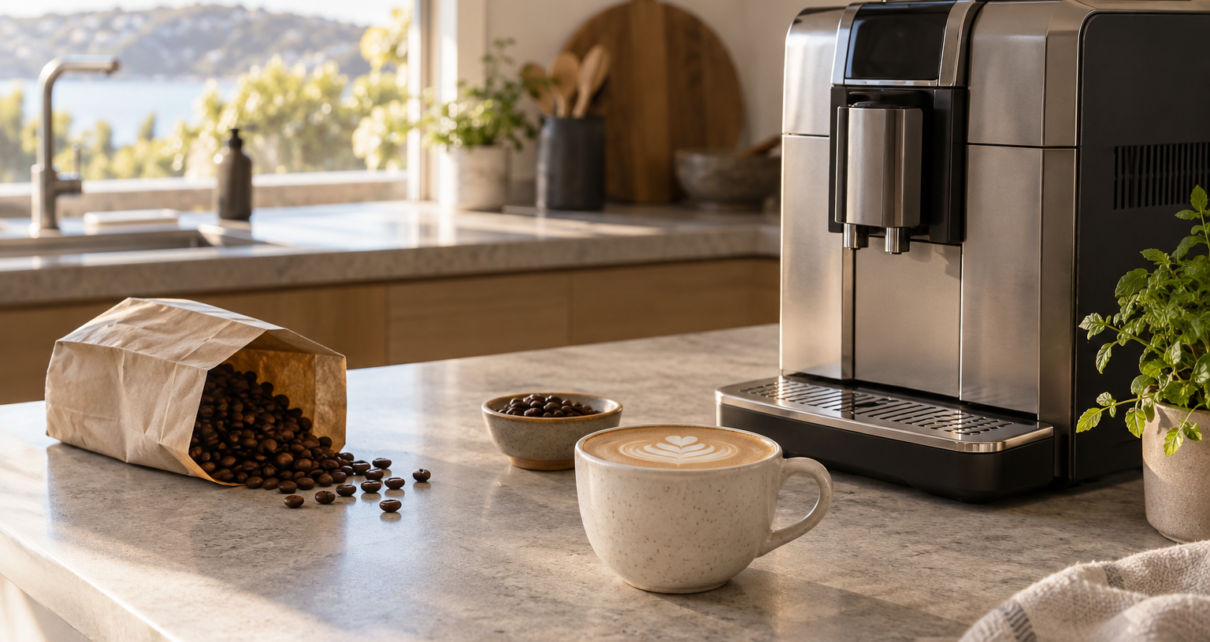
Good coffee at home starts with a few choices that suit the way people actually drink it. Fresh coffee beans give the brewer a strong starting point, while grind size and water affect what ends up in the cup. For households that value convenience, a jura coffee machine can handle much of the daily preparation. The best results still come from understanding the basics of a jura coffee system needs suitable ingredients, sensible settings and regular care.
Choose coffee for the way it will be served
A bag’s flavour notes can be useful, but the usual drink matters more. Someone who mainly drinks espresso may enjoy a different roast from someone who adds a generous amount of milk. Chocolate and nut notes often remain noticeable in a flat white or cappuccino, while brighter fruit notes may appeal more to people who drink black coffee.
Trying a small bag is a practical way to learn what works. Make several cups before changing to another variety, keeping the drink size and machine settings consistent. That makes it easier to tell whether a difference in flavour comes from the coffee or from the preparation.
Storage also deserves attention. Keep unopened and opened bags away from heat, light and moisture, and seal them well after use. Buying an amount that the household can finish while it still tastes fresh is generally more useful than stocking up on a large bag that sits open for weeks.
Adjust one setting at a time
A good cup can become disappointing when it is brewed too weak or too strong. If the coffee tastes thin, increasing the dose or reducing the drink volume may help. If it tastes harsh, a smaller adjustment to grind, strength or volume may produce a more balanced result.
Changing several settings at once makes it hard to know what worked. Start with the machine’s standard setting, taste the result, then alter one variable. Keep the cup size consistent during this process. A large drink made with the same amount of ground coffee as a short one will naturally taste less concentrated.
Grind size can have a noticeable effect on espresso. A finer grind generally slows the flow of water through the grounds, while a coarser grind allows it to pass more quickly. The right setting depends on the coffee and the machine, so taste is a better guide than a number on a dial.
Water is another simple place to improve consistency. Follow the machine manufacturer’s advice on filtered water and filter replacement, particularly in areas with hard water. The water used for brewing affects flavour, and mineral build-up can affect how well a machine works over time.
Keep the daily routine simple
A coffee setup is easiest to enjoy when its upkeep fits into the day. Empty the drip tray and used grounds container when prompted, and avoid leaving old grounds sitting in the machine. If the machine prepares milk drinks, clean the milk components as directed after use. Dried milk residue is harder to remove later and can affect hygiene and performance.
Scheduled cleaning cycles are just as important as daily wiping and rinsing. Follow the instructions for cleaning products, water filters and descaling rather than guessing when each task is due. Setting aside a few minutes when the machine prompts for maintenance is usually easier than dealing with a neglected machine.
It also helps to make the routine repeatable. Keep cups, milk and supplies close to the machine, and save a preferred drink setting once it tastes right. Other members of the household can then adjust their own drinks without changing everyone else’s favourite.
Judge the coffee in the cup
There is no single setting that suits every roast or every person. The useful test is whether the finished drink tastes balanced and enjoyable. When it does not, identify the specific problem before making a change: is it too bitter, too weak, too hot or simply larger than wanted?
With a little attention to ingredients, settings and cleaning, home coffee becomes easier to make consistently. The goal is a cup people look forward to drinking, without turning the morning routine into a complicated project.